Ending HIV and tuberculosis requires more than medical services. It requires strong community systems that identify health risks early, support individuals throughout treatment, and ensure that vulnerable populations have equitable access to care.
The Global Fund Cycle 7 Community HIV and TB grant, coordinated by the Christian Social Services Commission, works through an integrated model that connects communities, civil society organizations, and the national health system to deliver essential prevention and treatment services.
Community Engagement and Outreach
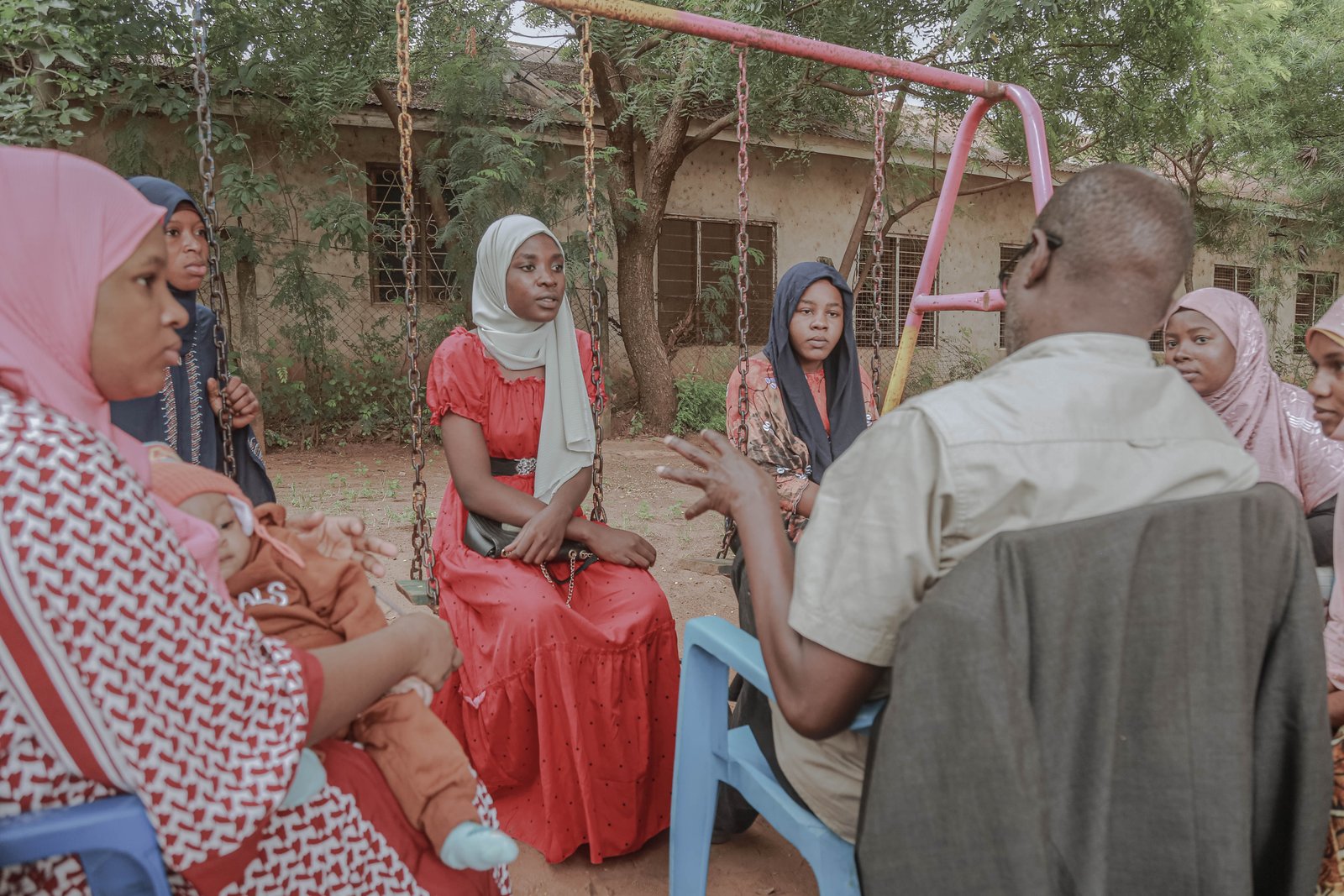
The program places communities at the center of the response. Community volunteers, peer educators, and mentors conduct outreach activities that provide health education, raise awareness about HIV and tuberculosis symptoms, and encourage individuals to seek testing and treatment. These community actors play a crucial role in identifying individuals who may be at risk and linking them to health facilities for further care.
 Peer-Led Support Systems
Peer networks are a cornerstone of the program’s implementation strategy. Mentor Mothers support pregnant women living with HIV by providing counseling and ensuring that mothers and infants remain engaged in care. Peer educators work with adolescent girls, young women, and vulnerable populations to provide prevention education and promote healthy behaviours.
Because these services are delivered by trusted members of the community, they help reduce stigma and increase acceptance of HIV and TB services.
Linking Communities to Health Facilities
The program strengthens connections between communities and health facilities through referral systems that ensure individuals receive timely diagnosis and treatment. Community Health Volunteers identify suspected tuberculosis cases and facilitate referrals to health facilities where diagnostic testing and treatment can begin.
By strengthening these linkages, the program ensures that community outreach activities translate into improved access to health services.
Monitoring and Quality Assurance
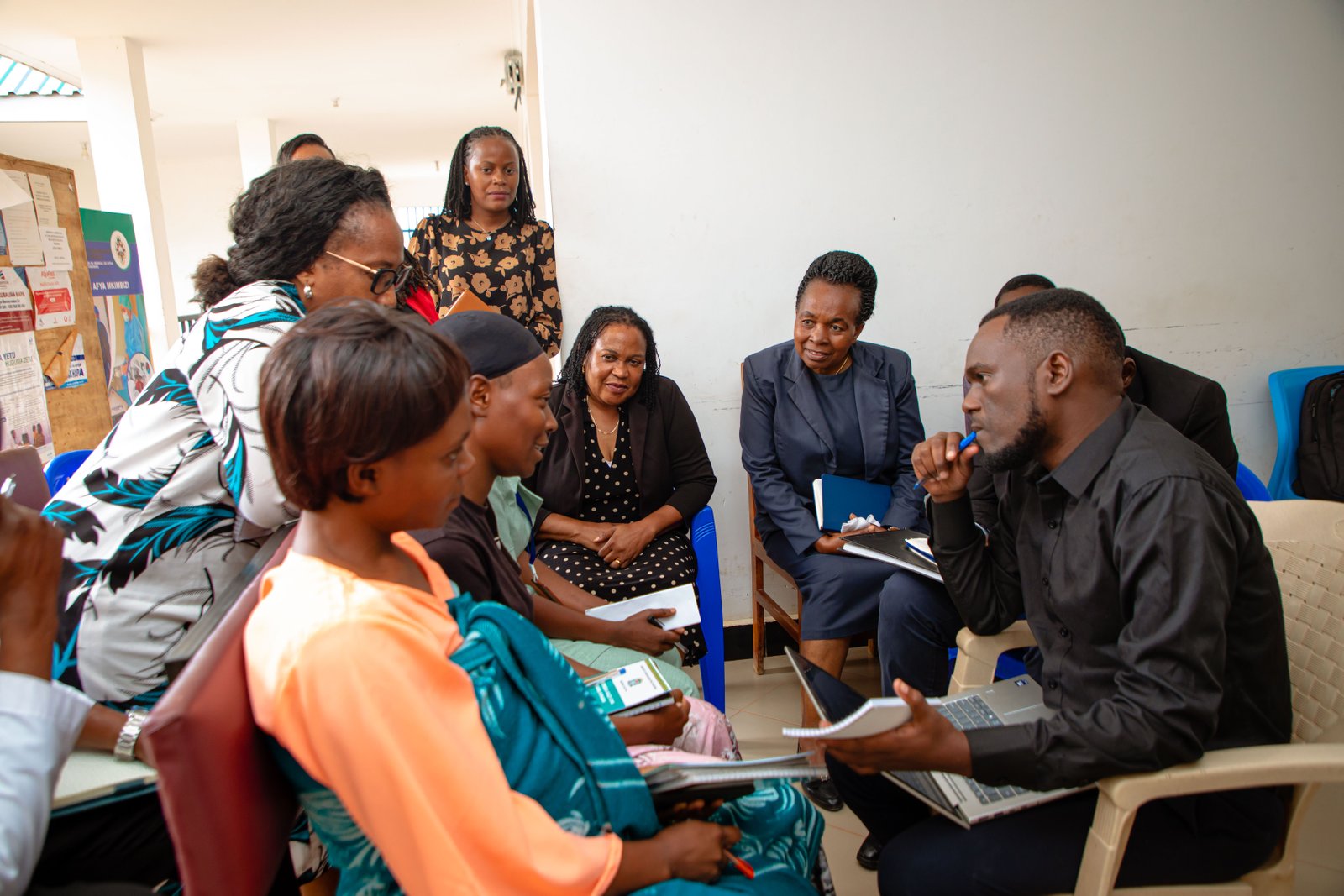
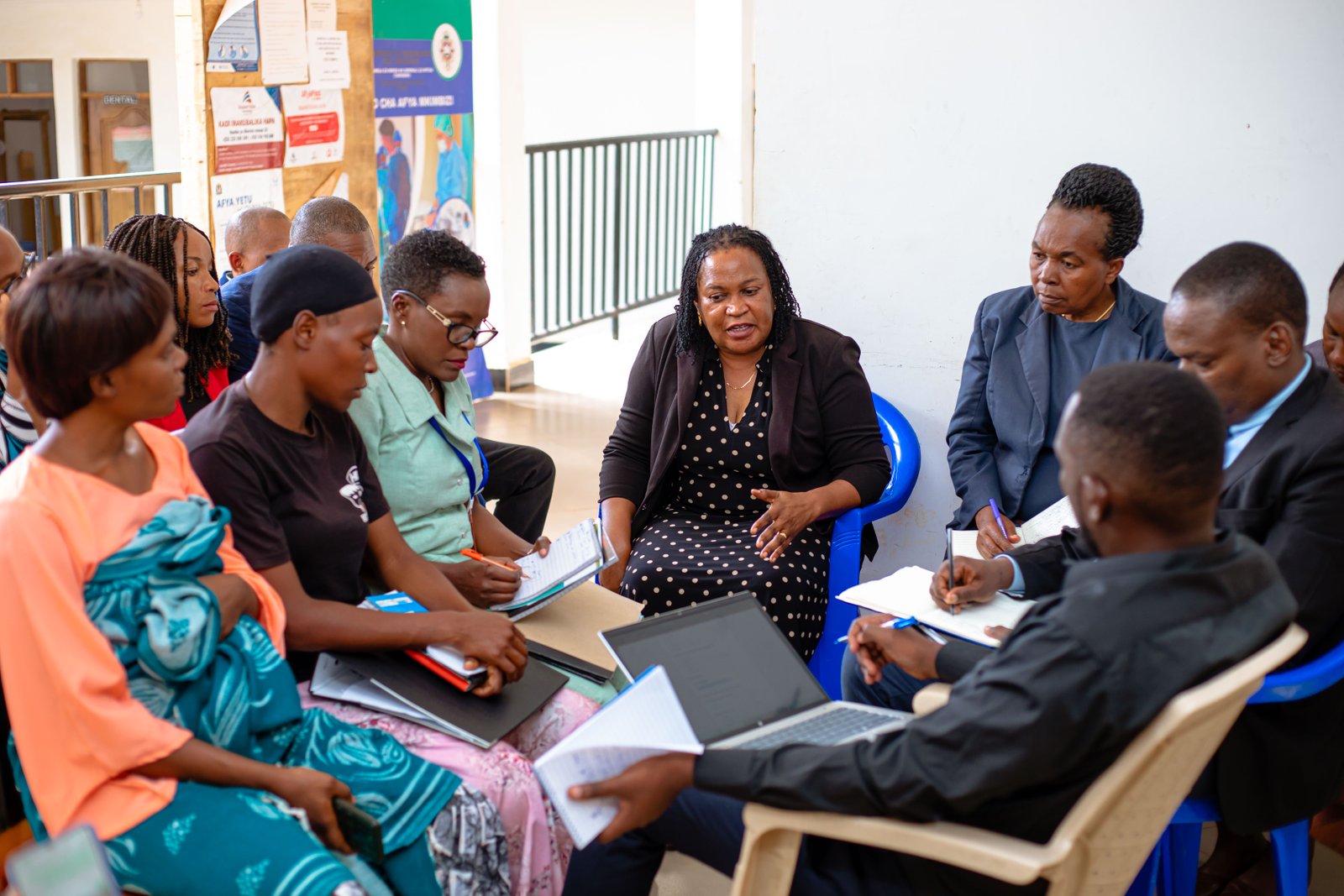 Implementation is supported by structured supervision and monitoring systems that ensure service quality and accountability. Local coordinators, health authorities, and implementing partners regularly review program performance, monitor service delivery, and address implementation challenges. These systems help ensure that community-based interventions remain aligned with national health priorities.
Through this integrated approach, the program contributes to strengthening Tanzania’s community health systems and accelerating progress toward ending HIV and tuberculosis as public health threats.