The Christian Social Services Commission (CSSC), in partnership with the Government of the United Republic of Tanzania and development partners, is implementing the Global Fund Cycle 7 (GFC7) Essential Community TB/HIV Services Program to accelerate progress toward ending HIV and tuberculosis as public health threats. The program, implemented from October 2025 to December 2026, focuses on strengthening community-driven interventions that complement national health services and ensure that vulnerable populations receive timely prevention, care, and treatment services.
Under the Global Fund’s dual Principal Recipient arrangement in Tanzania, the Ministry of Health leads facility-based and national-level interventions, while CSSC coordinates the community-based component as the lead civil society organization. Through this role, CSSC works closely with four Sub-Sub Recipients—MKUTA, TAYOA, NACOPHA, and STEPS Tanzania—to expand community engagement, improve service accessibility, and strengthen linkages between communities and health facilities.
The program is designed to address key national priorities in HIV and TB prevention and treatment. These priorities include reducing new HIV infections, preventing mother-to-child transmission, reducing AIDS-related deaths, addressing HIV-related stigma, and strengthening TB detection and treatment outcomes. Through a coordinated community response, the program supports Tanzania’s national commitment to significantly reduce the burden of HIV and tuberculosis.
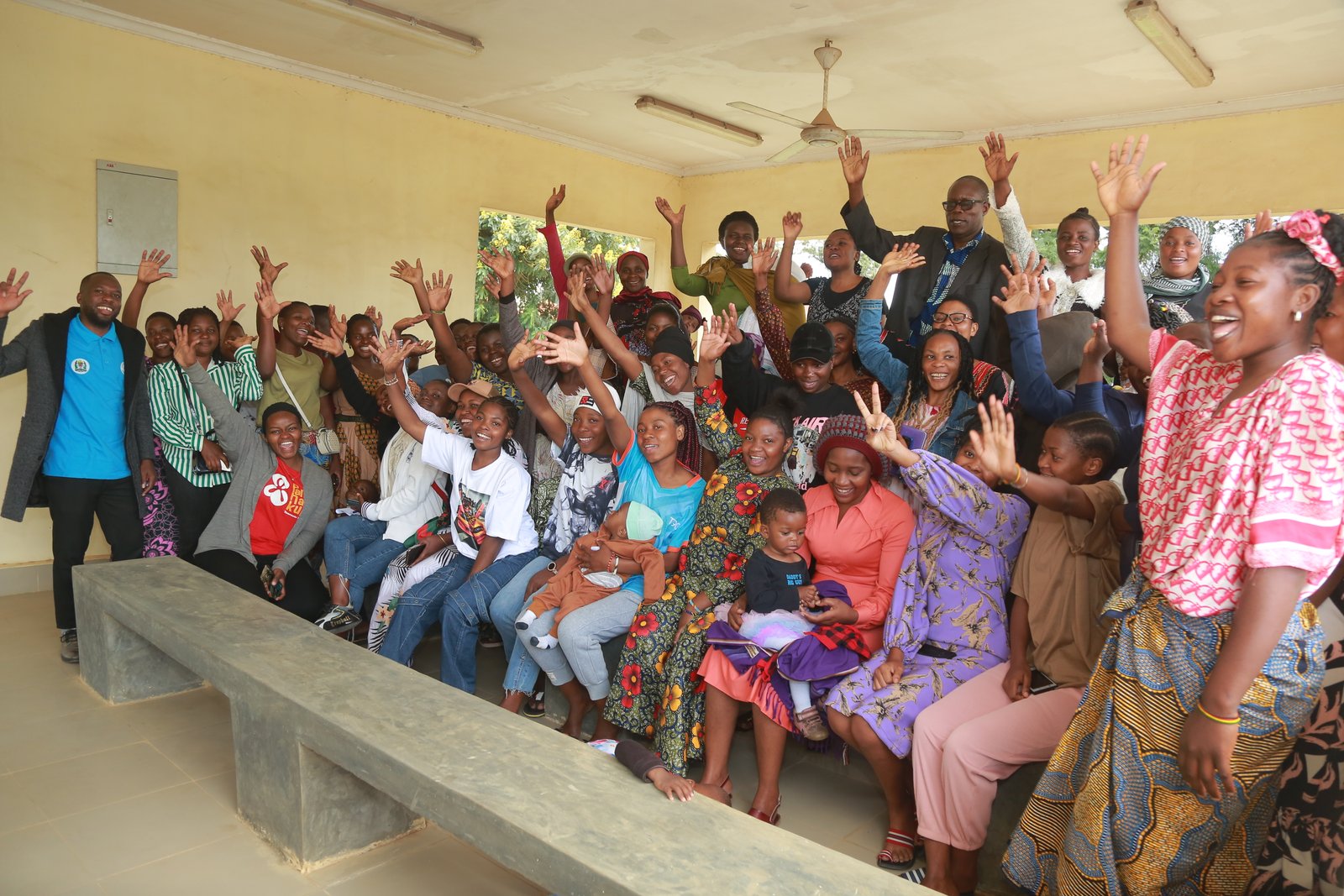
A central strategy of the program is community leadership and peer-led service delivery. Community networks, peer educators, volunteers, and mentors play a critical role in identifying individuals at risk, providing health education, facilitating access to services, and supporting treatment adherence. This approach ensures that interventions are responsive to local realities and reach individuals who may otherwise face barriers to accessing health services.
Across multiple regions and councils in Tanzania, the program integrates HIV prevention services, psychosocial support, community-based TB screening, and linkage to care. The model prioritizes inclusivity, rights-based service delivery, and stigma-free access to health services.
By strengthening community systems and empowering individuals to take active roles in health promotion, the Global Fund-supported program contributes to a more resilient and responsive health system in Tanzania. Through strong partnerships between government, civil society organizations, and communities, CSSC continues to support national efforts to improve health outcomes and ensure that no one is left behind in the fight against HIV and tuberculosis.